
Temporomandibular Joint (TMJ) Disorders: by Dr. Aditi Bardia Ghorawat, an oral and maxillofacial surgeon in Indore
What is Temporomandibular Joint (TMJ) ?
Temporomandibular Joint (TMJ) disorders affect the joints that connect your jaw to your skull. These joints help you chew, talk, and open and close your mouth. When there are issues with the TMJ, it can cause pain, discomfort, and trouble moving your jaw. Many people experience clicking or popping sounds when opening or closing their mouths due to TMJ disorders. But don’t worry! With the right treatment, this condition can be managed and even corrected.
Dr. Aditi Bardia Ghorawat, an oral and maxillofacial surgeon at Face 360rx, located in Janjeerwala Square and New Palasia in Indore, specializes in treating TMJ disorders. With 4 years of experience and over 1000 patients successfully treated, she is a leading expert in this field. If you’re looking for help with TMJ disorders, a dentist in Indore can offer the right guidance and treatment.
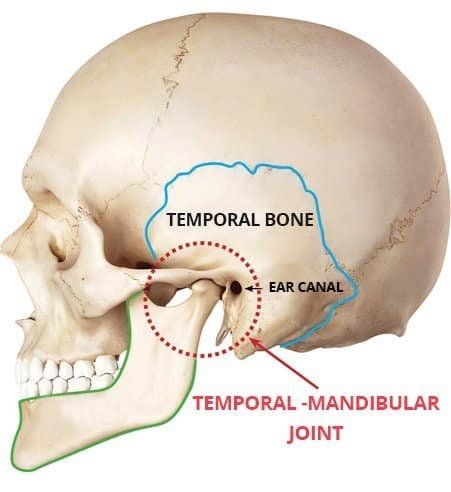
What Are TMJ Disorders explained by Dr. Aditi Bardia Ghorawat?
TMJ disorders occur when there is a problem with the jaw joints and the muscles controlling jaw movement. The disorder can be caused by injury, arthritis, or grinding and clenching of teeth. These disorders can cause pain, and the symptoms may differ from person to person. Common signs of TMJ disorders include:
- Jaw pain or tenderness.
- Difficulty chewing or opening the mouth.
- Pain around the ear.
- Locking of the jaw joint.
- Cracking or popping sounds in the jaw.
Types of TMJ Disorders
- Muscle disorders: result in pain and discomfort in the muscles that manage the jaw, face, and neck. It's common in people who grind or clench their teeth.
- Joint Derangement: This type occurs when the cushioning disc in the joint moves out of its proper place. This can result in clicking, popping, and sometimes locking of the jaw.
- Arthritis of the TMJ: Arthritis can affect the TMJ, just like any other joint in the body. It leads to pain, stiffness, and swelling, making it hard to move your jaw properly.
Recovery after TMJ Surgery
After TMJ surgery, patients need time to heal. Dr. Aditi Bardia Ghorawat and her team will guide you to assist with your recovery. You might need to eat soft foods, take medicine for pain, and not move your jaw too much.
Most patients experience significant relief and reduced pain after the surgery. Dr. Aditi has successfully treated over 1000 patients at Face 360rx, so you can trust you’re in good hands.
TMJ Disorders in Kids
Children can also suffer from TMJ disorders, though it is less common than in adults. A kid’s dentist at Face 360rx can evaluate your child’s jaw and teeth if they show signs of TMJ problems. It’s important to catch these early so your child can receive treatment before it becomes a bigger issue. Kids who grind their teeth at night or have misaligned jaws may be more prone to TMJ disorders, and dental services tailored to children can help prevent long-term damage.
TMJ disorders can cause significant discomfort, but with the right treatment, you can find relief. Whether through non-invasive treatments like mouthguards and injectables or surgical procedures, specialists like Dr. Aditi Bardia Ghorawat at Face 360rx in Indore are here to help. With her 4 years of experience and over 1000 successfully treated patients, you can trust that you are in capable hands.
If you’re experiencing any symptoms of TMJ disorders or need dental services for yourself or your child, don’t hesitate to contact the skilled team at Face 360rx. They can assist with TMJ disorders and a wide range of jaw, face, skin, and teeth issues. Whether you’re an adult in need of specialized care or a parent looking for a kid’s dentist, they are ready to provide the best treatment for your needs.
SURGERY PROCEDURE
Treatment Options for TMJ Disorders
There are various treatment options available for TMJ disorders, depending on the severity of the condition. Treatments can range from simple therapies to surgical procedures.
- Self-Care and Lifestyle Changes
- Consuming soft foods to give the jaw a rest
- Don’t chew gum or bite on hard objects
- Practice relaxation methods like meditation or yoga to lower stress
- Use heat or cold packs to relieve jaw pain.
- Oral Appliances and Splints
Orthodontists might suggest using mouth guards or splints as a treatment for TMJ disorders these devices cover your teeth to help prevent grinding and clenching, which can cause or worsen TMJ problems.
- Injectable Treatments
Injectable treatments are another option for managing TMJ disorders. Botox injections can be used to relax the muscles surrounding the TMJ, reducing pain and tension. This is a less invasive option for patients who prefer to avoid surgery. It works by temporarily paralyzing the muscles, preventing clenching and grinding.
Dr. Aditi Bardia Ghorawat and her team of specialists in Indore perform such dental services. The use of injectables for TMJ disorders has shown positive outcomes in many patients, and it’s a preferred choice for people seeking non-surgical treatment.
- Physical Therapy
Physical therapy can help by improving jaw mobility and reducing stiffness. Therapists may use techniques like stretching exercises, massage, and ultrasound therapy to relieve pain and restore normal jaw function.
Surgery for TMJ Disorders
In severe cases where other treatments haven’t worked, surgery might be necessary. Dr. Aditi Bardia Ghorawat, a skilled oral and maxillofacial surgeon, has conducted numerous successful TMJ surgeries at Face 360rx in Indore. The two common surgical procedures for TMJ disorders are:
- Arthrocentesis: This is a minimally invasive procedure in which a surgeon flushes out the joint with fluid to remove inflammation and debris. It’s a quick procedure and can help improve mobility.
- Arthroscopy: In this procedure, a tiny camera is inserted into the joint through a small incision, allowing the surgeon to see the joint and fix the issue. Arthroscopy can be used to remove scar tissue or reposition the disc inside the joint.
- Open-Joint Surgery: For more severe cases, open-joint surgery might be necessary. The surgeon makes a larger incision to access the joint directly. This surgery is usually done when there’s a structural problem in the joint, such as severe arthritis or a displaced disc that can’t be fixed through less invasive methods.
Dr. Aditi’s expertise in these surgeries has made her a go-to oral and maxillofacial surgeon for patients experiencing severe TMJ disorders. Dentists in Indore often refer patients to Face 360rx when they need specialized care for jaw-related issues.
Diagnosis of TMJ Disorders
To diagnose TMJ disorders, an orthodontist or an oral and maxillofacial surgeon, such as Dr. Aditi Bardia Ghorawat, will examine your jaw, listen for any clicking or popping sounds, and check for areas of pain or tenderness. The team of dentists at Face 360rx, who hold master’s degrees, will also assess how well your jaw moves. They may use X-rays, CT scans, or MRIs to get a closer look at the bones and tissues.
Frequently Asked Questions
When done by trained professionals, most anti-wrinkle treatments are safe. But they can cause temporary redness, swelling, or bruising, especially injections and more involved procedures.
The best age to start varies. Some start in their late 20s or early 30s to prevent wrinkles, while others wait until wrinkles show up more.
Some natural things like aloe vera, coconut oil, and green tea can help because they have antioxidants and keep skin moist. But they might not work as well as treatments from doctors.
It’s important to talk to a dermatologist or cosmetic surgeon. They can suggest what’s best based on your skin, what you want, how much you can spend, and how you handle possible side effects.
To keep wrinkles away, protect your skin from the sun, stop smoking, drink enough water, eat foods with lots of antioxidants, and stick to a good skincare routine for your skin type.